UK Housing Crisis Deepens: Urgent Calls for More Affordable Homes as Homelessness Rises
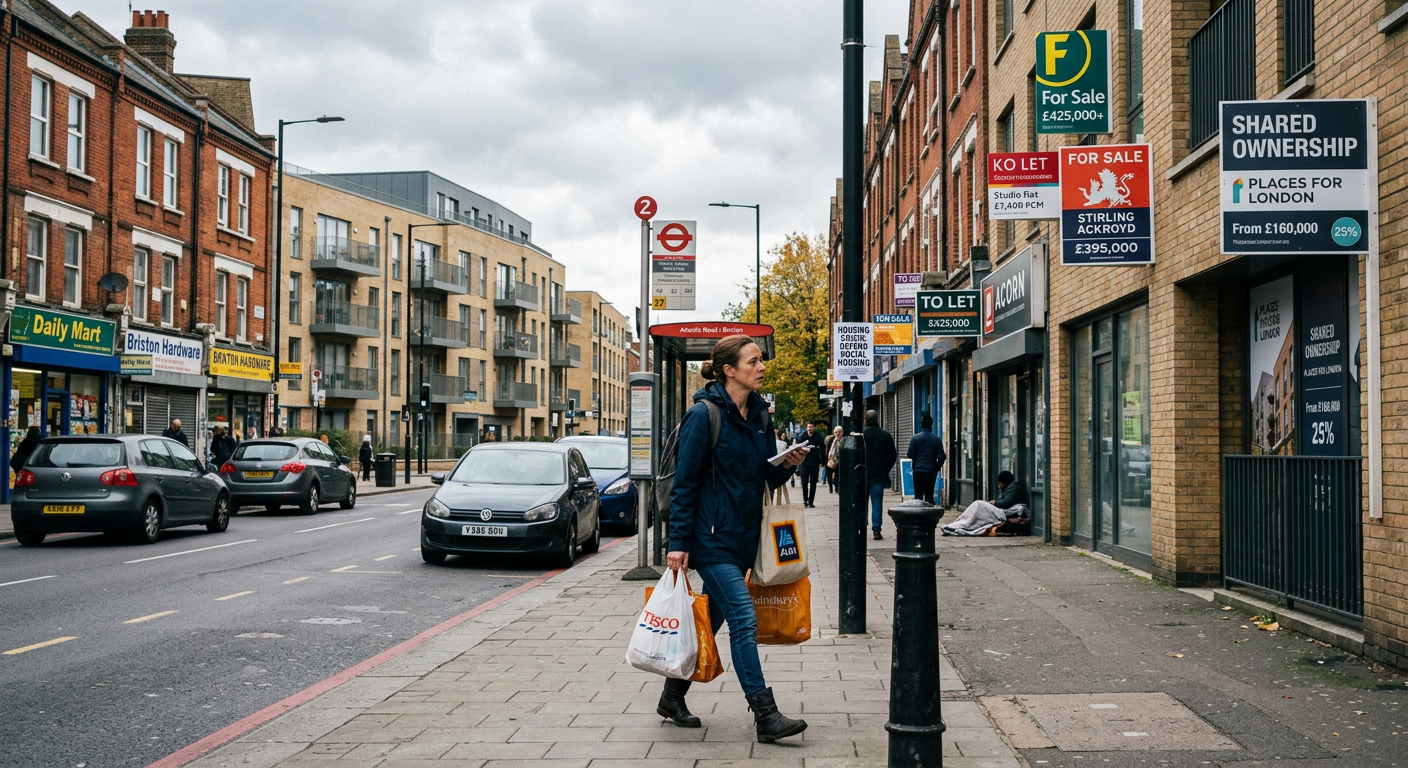
The UK housing crisis is reaching a critical point, with growing calls for the government to prioritise building affordable housing in the UK as homelessness continues to rise—particularly among older adults.
Recent accounts highlight a troubling reality: increasing numbers of people approaching their 50s are unable to secure stable housing. Many are being forced to rely on friends or temporary arrangements, not due to personal mismanagement, but because the housing system is failing to deliver homes that people can realistically afford.
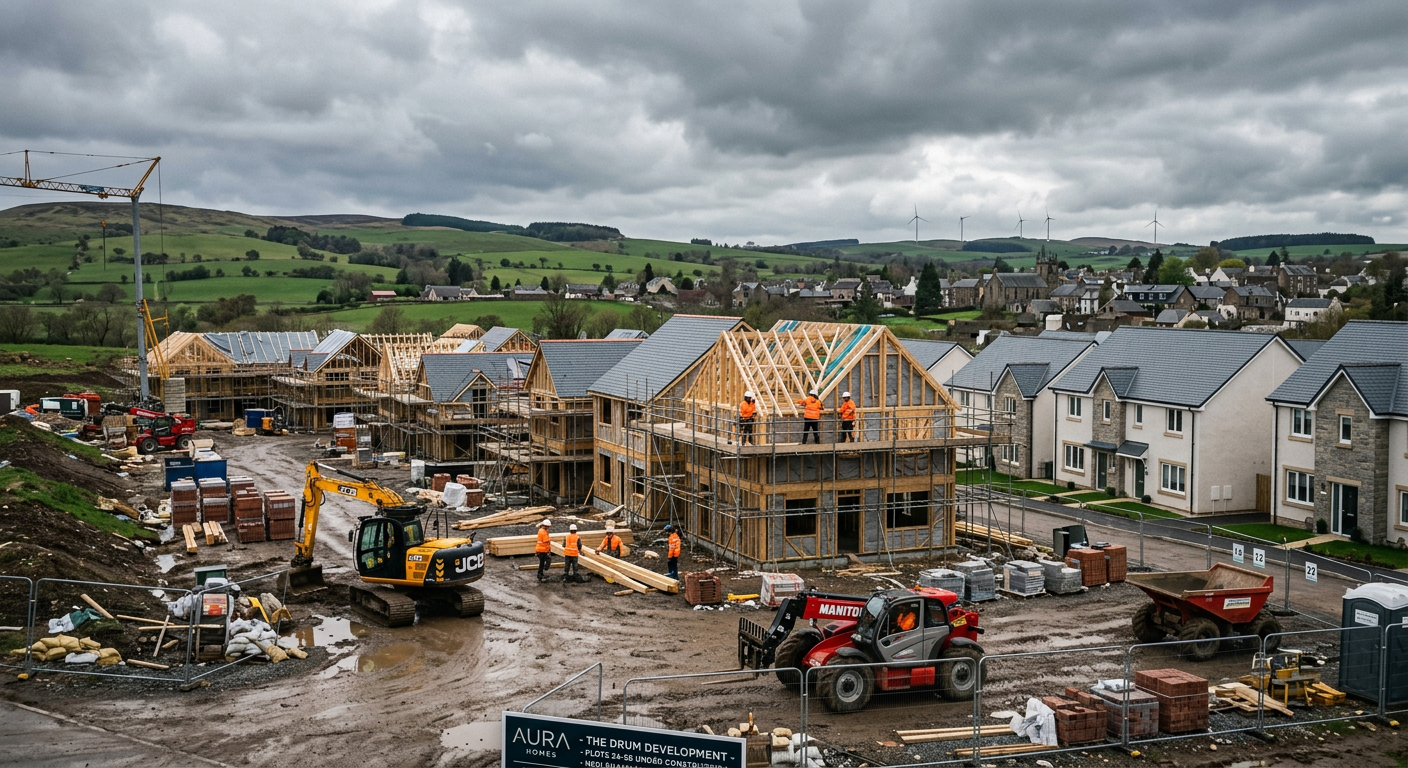
Despite this, much of the current housing development across the UK continues to focus on large, four-bedroom detached homes, often built on car-dependent estates far from essential services. Critics argue that these types of developments do little to address the real issue—a shortage of affordable homes and social housing for those facing rising rents and insecure tenancies.
Housing experts and campaigners are now calling for a shift in priorities. Instead of expanding suburban developments, there is increasing demand for genuinely affordable social housing within existing towns and cities. These homes would ideally be energy-efficient, well-connected to public transport, and located near shops, healthcare facilities, and green spaces—helping to create sustainable communities while tackling housing insecurity.
The scale of the crisis is stark. There are currently around 1.34 million households on local authority waiting listsacross England, while homelessness rates continue to climb. At the same time, local councils are facing mounting financial pressure, with spending on temporary accommodation projected to reach nearly £4 billion annually by 2029/30.
Experts warn that this approach is unsustainable. Rather than continuing to spend billions on short-term solutions, many argue that funding should be redirected into building permanent social housing stock, which would provide long-term stability for those in need while reducing overall costs.
Although the government has pledged additional investment in housing, plans to deliver around 300,000 new homes over the next decade are seen by many as insufficient to meet current demand. With social housing construction at historically low levels, the gap between supply and need continues to widen.
The issue also raises broader questions about housing affordability in the UK and the direction of planning policy. Critics say current policies still favour urban sprawl over “densification”—the development of more homes within existing urban areas—despite widespread support for building closer to established infrastructure.
For many, the situation is becoming increasingly urgent. A society where individuals nearing retirement age cannot secure stable housing is one facing a deep structural problem. Without decisive action, the UK risks entrenching a system where housing insecurity becomes the norm rather than the exception.
As pressure mounts, experts are calling for a coordinated response from local authorities, central government, and the wider housing sector. The focus, they argue, must shift towards delivering affordable homes, reducing homelessness, and creating a housing system that works for everyone.