Scotland housing crisis deepens as supply fails to meet demand
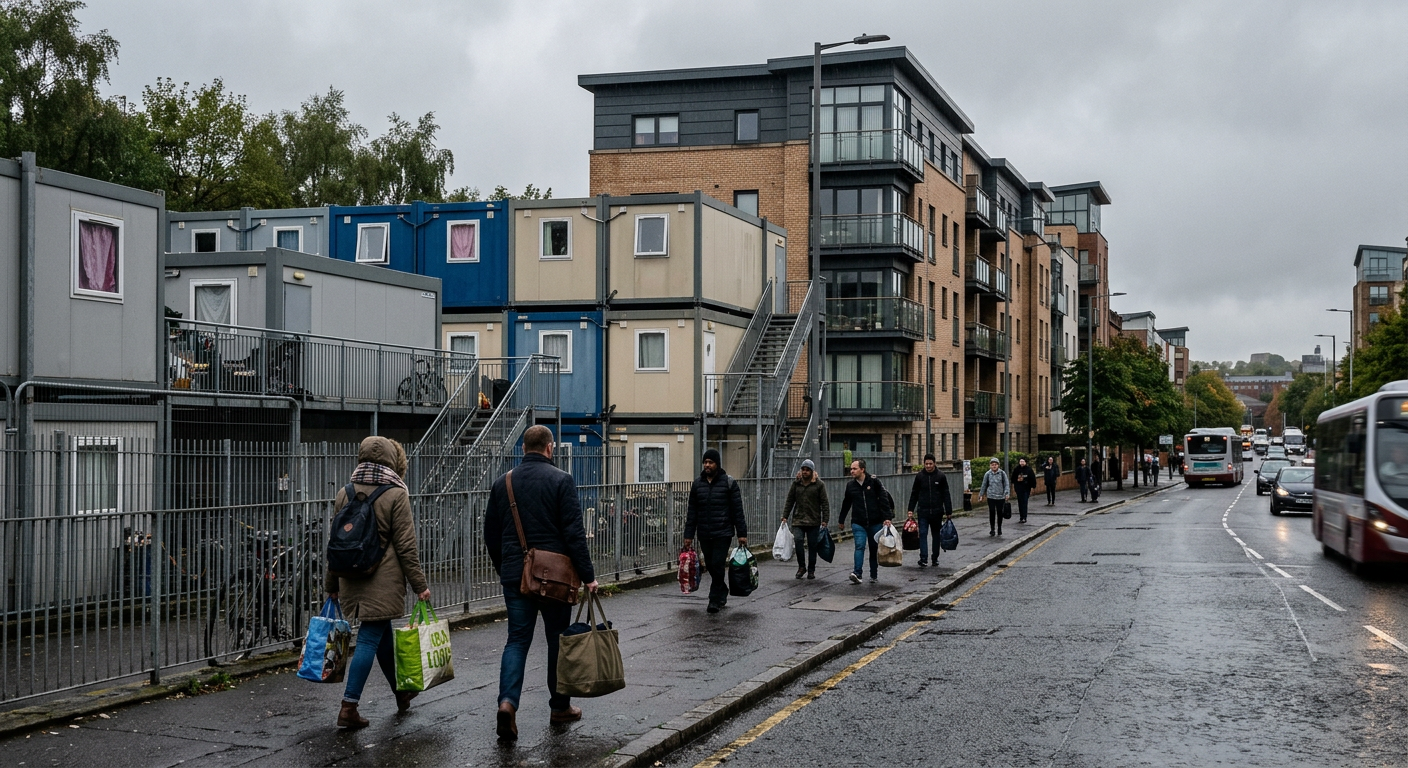
Scotland’s housing crisis is reaching a critical tipping point, as new data reveals a sharp rise in homelessness and mounting pressure on an already strained system.
Figures released this month show that rough sleeping in Scotland has surged by 106% over the past three years, while record numbers of children are now living in temporary accommodation. In cities such as Glasgow, local authorities are struggling to cope, with officials warning that emergency housing options have been stretched to their limits.
Despite having some of the strongest homelessness protections in Europe, Scotland is facing a stark reality: legal rights alone are not enough to solve a growing shortage of homes.
Strong laws, but not enough homes
More than a decade ago, Scotland introduced groundbreaking legislation, abolishing the “priority need” test and placing a legal duty on councils to secure permanent housing for anyone deemed unintentionally homeless. Housing charity Shelter once described Scotland as having “the best homelessness law in Europe”.
However, the current crisis highlights a fundamental issue—a lack of housing supply. While people may have the right to a home, there are simply not enough properties available to meet demand.
Temporary accommodation under strain
The shortage of social and affordable housing in Scotland has created a bottleneck in temporary accommodation. Many individuals and families placed in hotels and B&Bs are unable to move on due to high private rents and limited availability of social housing.
As councils run out of options, the consequences are becoming increasingly visible, with more people forced into insecure living conditions—or onto the streets.
Housing targets falling short
Responsibility for housing supply lies with the Scottish Government, led by John Swinney. While efforts have been made to address the crisis, progress has fallen short of what experts say is required.
Analysts estimate that Scotland needs around 16,000 new social homes each year to prevent homelessness from rising further. However, current commitments equate to roughly 9,000 homes annually, significantly below the level needed.
Earlier pledges to deliver 110,000 affordable homes by 2032 are also at risk, with funding constraints and delivery challenges slowing progress.
Calls for large-scale housing reform
Experts are increasingly pointing to international models for solutions. Vienna is often cited as a benchmark, where long-term investment in public housing has helped stabilise rents and reduce homelessness to extremely low levels.
The key lesson is clear: where housing supply keeps pace with demand, markets remain stable. Where it does not, costs rise and housing pressures intensify—a pattern now evident across Scotland.
New housing agency offers hope—but questions remain
In response to growing criticism, the Scottish Government has announced plans for a new national housing agency aimed at improving coordination and investment.
While the move has been welcomed as a step in the right direction, questions remain over whether it will deliver the scale of housing development needed. Critics argue that without a significant increase in public housing construction, the crisis is likely to worsen.
A growing political and social challenge
With the Scottish housing crisis expected to dominate upcoming political debates, pressure is mounting for urgent action. Each year that supply fails to meet demand, the gap widens—making the challenge even harder to resolve.
For now, thousands across Scotland remain stuck in temporary accommodation or facing homelessness, highlighting the urgent need for long-term solutions to the UK housing shortage.